Navigating the confines of responsible gambling Essential tips for a safe experience
Understanding Responsible Gambling
Responsible gambling refers to the practice of engaging in gambling activities in a manner that does not harm oneself or others. It emphasizes maintaining control over one’s gambling behavior, ensuring that it remains a form of entertainment rather than a source of stress or financial burden. Understanding the risks associated with gambling is vital for individuals who partake in these activities. By being aware of the potential for addiction and financial loss, individuals can make informed choices about their gambling habits. In this context, exploring non-gamstop casinos can also contribute to a balanced approach.
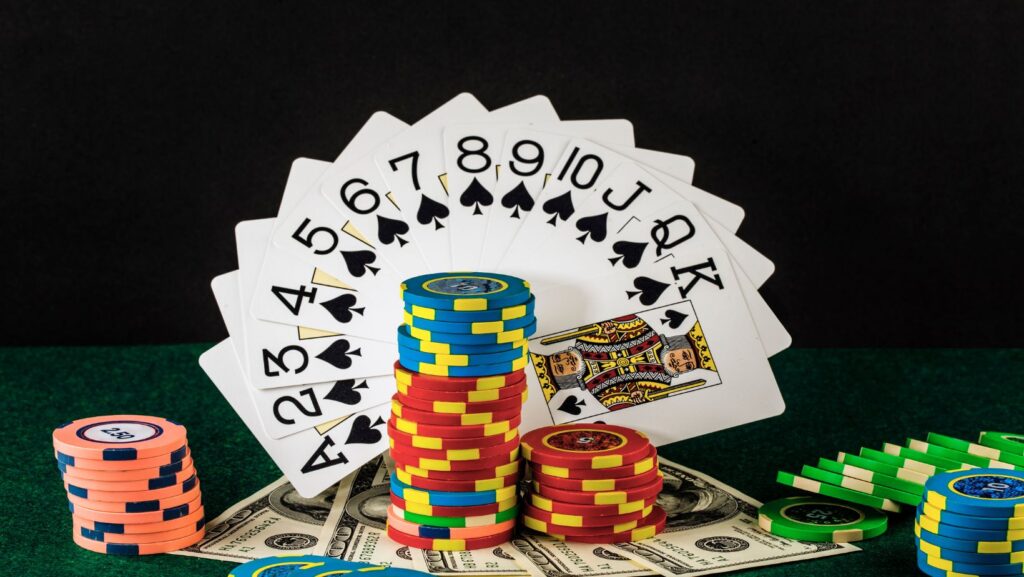
Moreover, responsible gambling involves setting personal limits on time and money spent on gambling activities. This can help mitigate the risk of developing gambling-related issues. Recognizing the signs of problematic gambling, such as chasing losses or neglecting personal responsibilities, is crucial in fostering a healthy relationship with gambling.
Setting Personal Limits
Establishing personal limits is one of the cornerstone strategies for responsible gambling. This includes defining a budget for gambling activities and sticking to it. It is essential to treat any money allocated for gambling as entertainment expenses, rather than an investment strategy. By doing so, individuals can enjoy the thrill of gambling without the pressure of financial strain.
In addition to financial limits, setting time constraints is also important. Allocating specific periods for gambling can help individuals maintain a balanced lifestyle. Taking regular breaks and engaging in other leisure activities can provide perspective and prevent gambling from becoming an obsessive pursuit.
Recognizing the Signs of Problem Gambling
Being aware of the signs that indicate problematic gambling behavior is essential for both individuals and their loved ones. Some common indicators include feeling anxious or irritable when attempting to cut back on gambling, spending more time gambling than intended, or using gambling as a way to escape from life’s challenges. Identifying these behaviors early can prevent them from escalating into more severe issues.
If someone recognizes these signs in themselves or others, seeking help is a critical next step. Many resources and support groups are available to assist those struggling with gambling addiction. These organizations can provide valuable information and strategies for overcoming gambling-related challenges, helping individuals regain control over their lives.
The Role of Support Networks
Support networks play a vital role in fostering responsible gambling practices. Friends, family, and community groups can offer encouragement and accountability, helping individuals stay within their personal limits. Open discussions about gambling habits can promote awareness and understanding, reducing the stigma often associated with gambling issues.
Moreover, professional support services, such as counseling and therapy, can be instrumental in addressing gambling-related problems. These services provide individuals with coping strategies and tools to manage their gambling behavior, enhancing overall well-being and promoting a healthier approach to gambling.

Promoting a Balanced Lifestyle through Resources
Organizations focused on promoting a balanced lifestyle, like those dedicated to work-life balance, offer valuable resources and guidance for individuals navigating the complexities of gambling. These resources can help individuals align their gambling habits with their broader life goals, fostering a healthy balance between leisure and responsibilities.
By engaging with these resources, individuals can access expert insights and practical advice. This support can empower them to make informed decisions about their gambling activities and ensure that they remain a positive aspect of their lives, rather than a source of stress or anxiety.